What was I thinking?
A few years ago, as a “Grand Master” runner, I decided to redirect my athletic and fitness goals. The big shift has been focusing on the shorter races and pulling back from the glamour goal of the marathon. After my experiences running Boston in 2022 and 2023 (short version: I crashed in 2022, falling well short of expectation, and DNF’d in 2023), it would be understandable if people said, “Oh, Greg couldn’t take the heat,” or, “Too much for you, so you’re quitting.”
But it’s not that at all.
I started thinking about the realities of my aging body. You know, all the scary stuff: loss of muscle mass, fine motor control, explosive power, flexibility, suppleness, elasticity, and balance (National Library of Medicine link) piled on top of the usual stuff like vision, hearing, memory, brain function, etc. Lots to look forward to, lol!
I grudgingly accepted that the eventual loss is inevitable (it’s called dying). But what about the time between today and then?
First, The Problem
OK, the bad news:
Peak physical strength generally occurs between the ages of 20 and 35, with specific peaks varying between individuals and sexes, and often occurring around age 25 for general muscle strength. For most people, muscle mass and strength peak in the late 20s or early 30s. After this period, strength begins a gradual decline (Harvard Health link).
The best way to address all of that is to engage in activities directed at improving those functions. Simple stuff such as strength training and yoga can work wonders — and I was already doing that.
Now, I’m the sort of person who needs a goal to help with motivation. You too? Sure, being healthy and active into my 70s, 80s, and (hopefully) beyond is an excellent goal and certainly plenty. But I knew I needed something more focused and near-term that I could work on — something that also provided the training that would address the problems.
Yes, I realize that I can strength train, do yoga, run speed workouts, and all the rest and train for the marathon and set goals for those races — and it would do nicely for addressing the above issues. However, the training blocks are long, and the goal races can only be so frequent (one or two per year). Also, more personally, I have not been doing that sort of running and training for decades like many people. My running from my 40s to my late 50s has been 4–6 miles at a time, three or four times a week, with occasional speed work.
Of course, there was the roughly two-and-a-half-year attempt at getting a BQ (Boston Qualifying time) and then running the Boston Marathon — that’s another story entirely.
In short, I was looking for more intensity, less training time, and more frequent high-energy competition.
Looking For Options
I started to rethink what I was focusing on with my running, which is the major activity of choice for me and the one that offers the additional aspect of regular competition. “Shorter races,” I thought. 5K, 10K, and the occasional half. The beauty is that there are events of those distances almost every weekend, wherever you go. Plus, with the 5K and 10K you can easily race every few weeks.
On top of that, the training to improve in the 5K utilizes more strength and power and higher intensity than the long distances. Hello short intervals, shorter long runs, and a bit less of the really long sustained efforts.
Redirecting like that made me get more serious about being regular with the weights and the yoga, since they supported both the near- and long-term goals.
Excellent!
Then, I found out about the Senior Games.
From their website:
“Promoting the benefits of competitive sports, physical fitness and active aging to adults ages 50+.
Welcome to the Senior Games! Our Olympic-style multi-sport events held at the local, state and national level across the United States engage over 100,000 participants ages 50+ each year.
Senior Games provide the camaraderie and challenge of competitive sports to older adults, promote health and well-being, and inspire participants to keep moving.”
Who knew there was any way to compete like this post-college unless you were an elite? Never mind once you’ve reached 50, 60, or older?
Training for the track and the shorter, faster races such as the 5K requires working on the very qualities that I am interested in improving (before I meet the decline coming in the opposite direction).
Hitting The Track
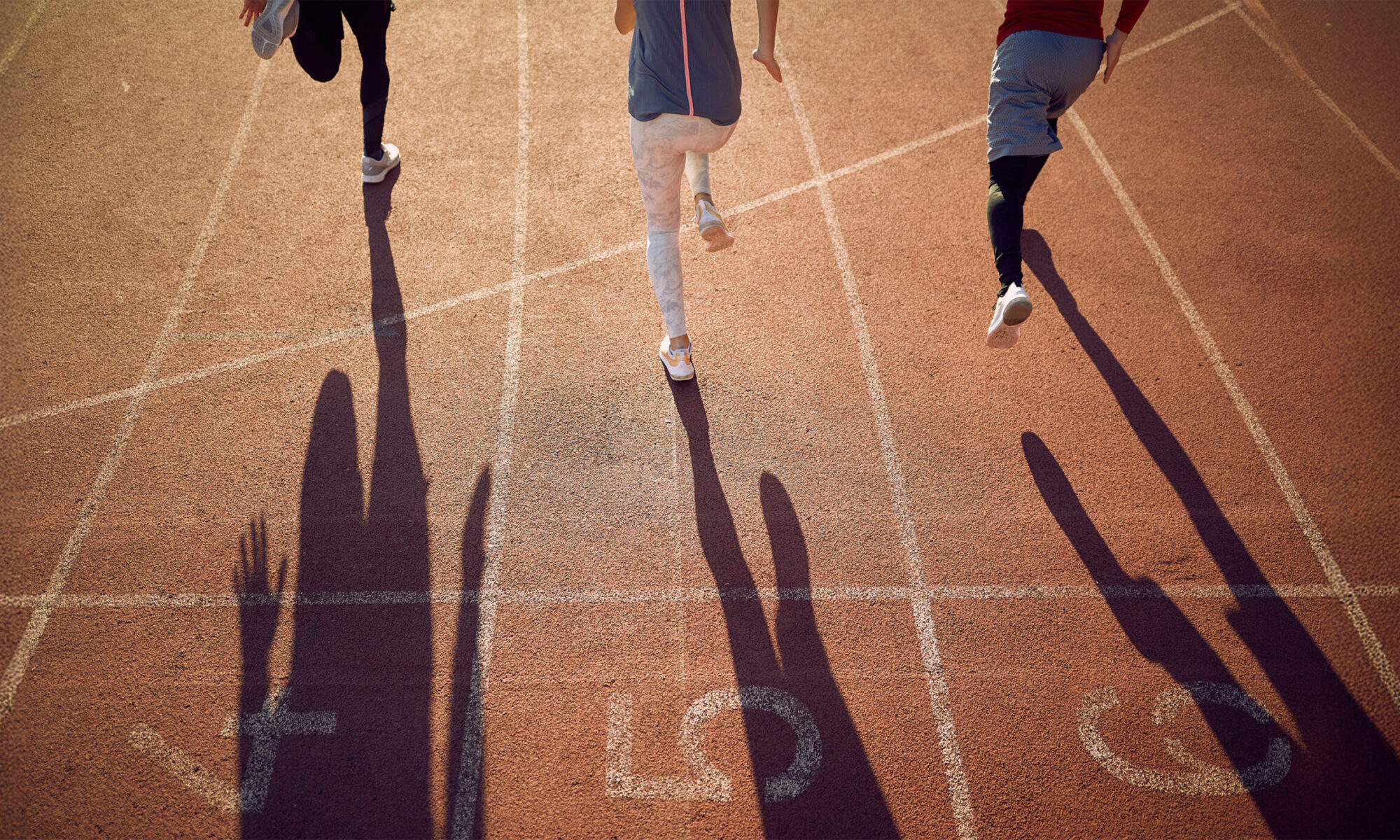
Since I made that decision, I have competed in eight track meets, including the Florida State Senior Games, trying my legs at the 100m, 200m, 400m, 800m, and 1500m events. I found out pretty quickly that the 100 and 200 might not be my events, lol, but every event and every meet has been a chance to challenge myself. Plus, they have been opportunities to be impressed and inspired by the performance of runners much older than I am.
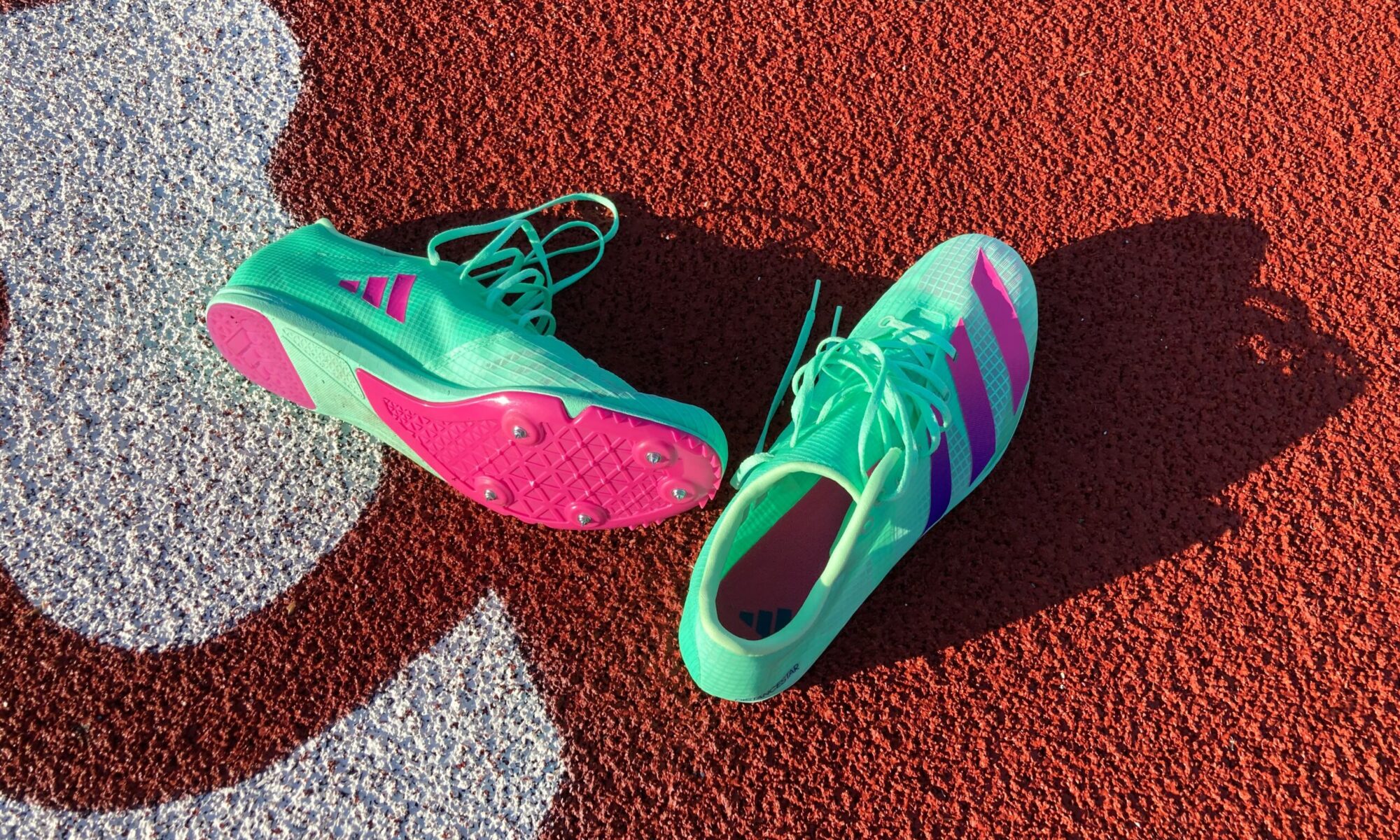
Seeing men and women in their 80s and 90s with spikes on, running a brisk 100m sprint, cruising a 400m, or grinding out a 1500 is NOT what we see every day in life. But there they were, on the track, demonstrating what aging gracefully and vigorously looks like.
So yes, the decision to include track workouts and competition has been a challenge, has made me a stronger (and healthier) runner, and has also shown me the level of performance that is possible for all of us as we get older.
Pushing back the clock, indeed!
If you liked this post, please let us know by leaving a comment below and consider supporting the site.
Great article! As a 65 year old runner, I’m always looking to set new goals and new routines that will keep me strong and injury free. Aging is evitable but staying strong and resilient is a choice many of us can make.
Exactly. You understand completely. Thanks for stopping by and for the comment. I hope the site can be useful and interesting for you!
*inevitable
Great blog post Greg! I just turned 60 this past August and I can relate to this so much. I’ve slowed significantly from who I used to be and it’s frustrating. I want to focus on strength and shorter distances as well. I’m going to look at USTAF Masters as well as the Senior Games.
Hi Christine! Thank you so much, I appreciate it. 🙂
The strength work is super important—for so many reasons and has positive impact in the activities of daily life, not only running. The track meets are wonderful and completely different from the big crowds, organizations, and time that we are accustomed to with the “usual” races that we do. The next Senior Games meet, nearby, is Polk in late February. Let’s do it! http://polkseniorgames.org/schedule-of-events/