Push Through the Pain? Maybe Not.

The “Push Through the Pain” Mindset — And Where It Goes Wrong.

There’s a whole culture built around “pushing through the pain.” You know the type—motivational speakers and social media posts chanting “push through pain” like it’s a badge of honor. And to a point, that rhetoric makes sense.

Discomfort vs. Pain: Why the Difference Matters After 60

If you’re running, doing a hard workout, or grinding up hills, it’s uncomfortable. You’re working hard. That’s when pushing through “difficulty” and “challenge” is appropriate. That’s where you get stronger, faster, and more confident.

But somewhere along the way, the word challenge got replaced with pain—and especially for runners over 60, that’s a problem.

What Pain Is Really Telling Your Body

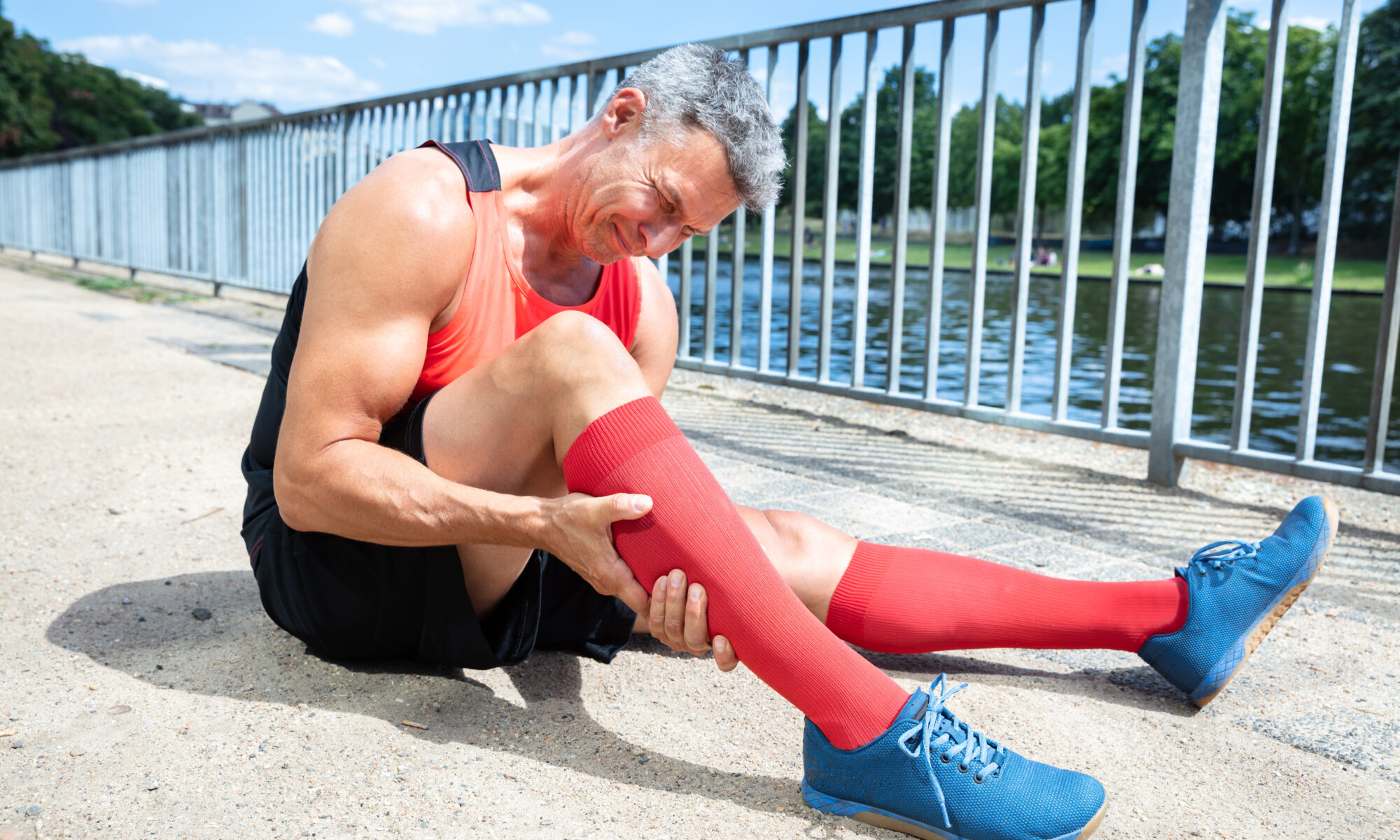
If you feel pain on a run—whether it’s an easy day or a hard workout—you should stop. Pain is your body telling you that something is wrong.

For those of us in the real world (not elite athletes with teams of coaches and trainers), it’s important to remember how quickly “tight” or “tweaked” can turn into “I need an MRI.” That transition can happen faster than we’d like to admit.

Why Ignoring Pain Usually Leads to More Time Off

This advice comes from experience. Too many times, I’ve felt pain and didn’t stop. I ran the next day anyway because I wanted the workout or needed the miles. Every single time, it was a mistake.

What happens is predictable: the injury gets worse, and eventually I’m forced to stop altogether. More often than not, that means a four- to six-week layoff. No running. No walking. Just wishing I could do it.

Short Breaks Prevent Long Layoffs

Lately, I’ve been much better about listening to my body—and surprise! In a day or two, sometimes three, I’m back at it. A few days off allows your body to heal, and you don’t lose fitness from missing a couple of runs.

The real goal is consistent running and the long-term benefits that come with it.


How to Decide Whether to Keep Running or Stop

When to Continue, But with Caution

  • Dull ache, fatigue, or mild burning (perhaps shorten a run, drop a set, or take an extra day off)
  • Pain level of 0–3 out of 10
  • Mild pain at the start of a run or warm-up that eases quickly (be cautious here)

Extra note: If pain alters your running gait, stop. Extra recovery time is your friend.

When You Should STOP Running Immediately (and maybe call for a ride)

  • Sudden, sharp pain
  • Joint pain
  • Pain level of 4/10 or higher
  • Pain that increases as you run

The Real Goal: Consistent Running After 60

Running after 60 isn’t about toughness at all costs—it’s about staying healthy enough to keep doing what you love. Listening to your body isn’t weakness; it’s wisdom. After all, the strongest runners aren’t the ones who ignore pain—they’re the ones who know the difference between effort and injury. Respecting that difference is what keeps you running consistently, enjoying the process, and showing up again tomorrow. Taking a day or two off when pain shows up is often what allows you to keep running for months and years to come.

As always, reach out to a medical professional to help you with any decisions about injury or therapy.


If you liked this post, please let us know by leaving a comment below and consider supporting the site.


More reading about avoiding injury and identifying discomfort vs pain:

When pushing through the pain is a bad idea

When not to push through a sports injury

The “Push Through It” Myth

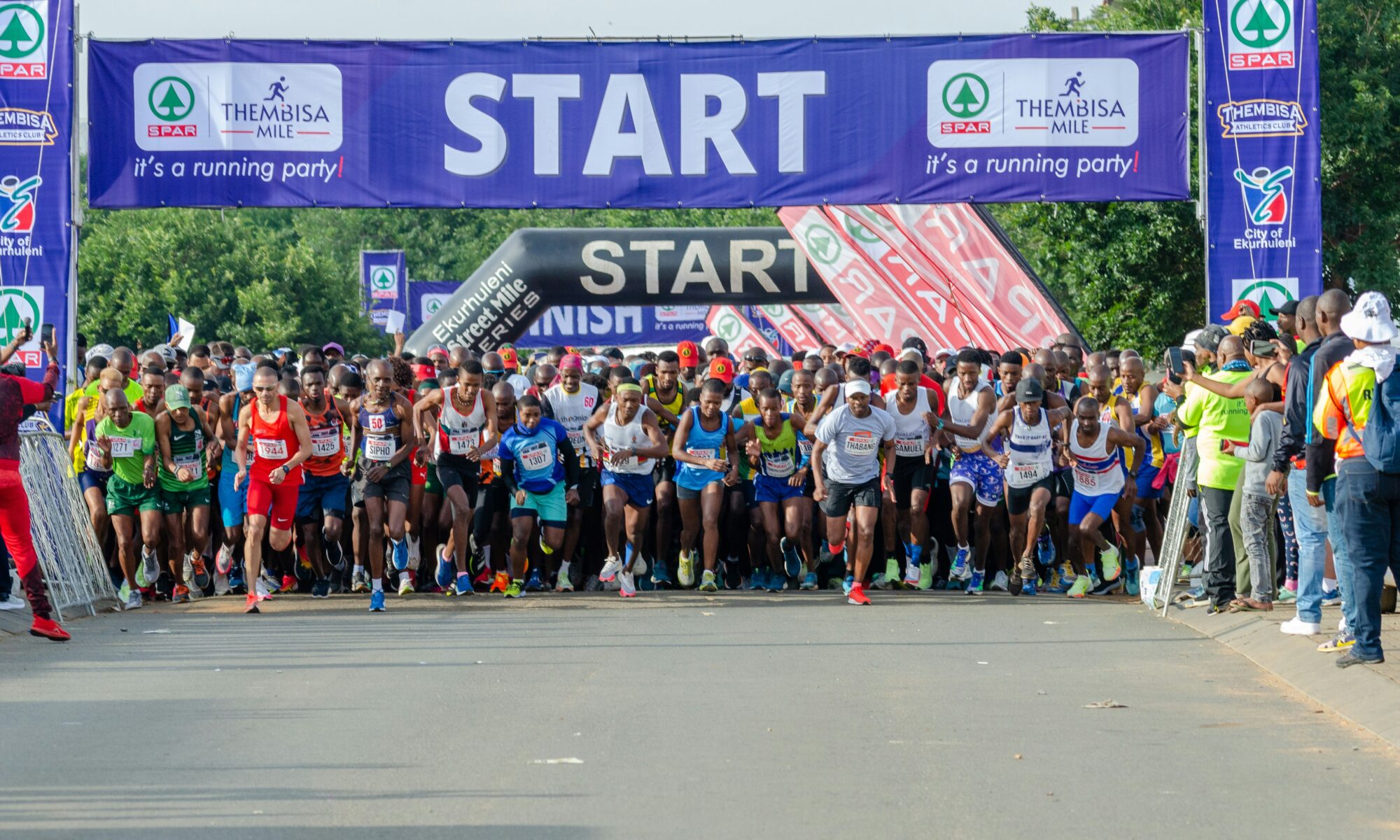
Should You Race After 60? My Tips For Racing Safely When You Are Older.

It’s a really good question — and one a lot of runners ask themselves, especially when they’re starting (or restarting) in their 50s, 60s, or beyond. Here are a few things to remember:

1. Racing Increases Your Injury Risk

Let’s be honest: racing almost guarantees you’ll push harder than you do in everyday running. That extra effort can increase your injury risk — sometimes significantly. Not always, but often enough that it’s worth putting this right at the top of the list.

2. Racing Is a Lot of Fun

There’s no denying it. The excitement, the community feeling, the energy at the start line — it’s a blast. Even when you’re wondering why you signed up somewhere around mile two.

3. It’s a Chance to Measure Yourself

A race lets you compare your performance with:

  • Your peers
  • Your age group
  • And, thanks to age-grading tables, even the “younger you”

Many runners find age-grading surprisingly rewarding. It reframes progress in a way that recognizes the realities — and strengths — of getting older.

4. Racing Brings Focus to Your Training

Signing up for an event gives your workouts a purpose. Suddenly “just another run” becomes “part of the plan.” Having something to shoot for can bring a fun sense of structure and give your running a little extra spark.

5. Be Careful With Comparison

If you’re the kind of person who gets frustrated when people you consider your equals are:

  • Training harder
  • Racing faster
  • Racing farther

…it’s worth keeping that in check.

This is my tendency, and I have to be honest with myself because trying to be someone else’s version of “successful” often leads to frustration. Frustration leads to bad decisions. Bad decisions lead to injury. And all of that together can rob you of the joy that running should bring — especially at this stage of life.

Stay inspired by others, not jealous. Keep it light. Keep it fun.

6. But If Competition Drives You — Embrace It

Some people need goals, benchmarks, and friendly rivalry to stay engaged. If competition fires you up and makes you excited to run, then absolutely go for it.

Just know yourself. I can tell you from experience: when I was younger, my competitive streak often overruled my better judgment. I’d push too hard, ignore warning signs, chase the next PR, and skip recovery — and that usually led straight to injury.

If you’re wired that way, great — but make sure you temper it with wisdom. Listen to your body first. The finish line will still be there.

Conclusion

Racing can be a great addition to your running life — or it can be something you happily skip. There’s no “right” answer. What matters is understanding what motivates you, what frustrates you, and what keeps you healthy and consistent. If races bring you joy, focus, and excitement, sign up and enjoy the ride. If not? You’re still absolutely a runner, and you’re doing it exactly right.

The Bottom Line

Race if it motivates you — skip it if it doesn’t. Joy and longevity matter far more than finish lines.


Sidebar: Racing After 60 — My 4 Rules

1. Listen to your body more than your ego.
If something hurts in training, adjust early. No race is worth a preventable setback.

2. Keep the training fun.
If a race plan feels like homework, scale it back, switch to run/walk, or choose a shorter distance.

3. Compare wisely.
Use other runners as inspiration, not as proof you’re “behind.” You’re running your race — literally.

4. Protect recovery like it’s part of the workout.
Sleep, rest days, warmups, cooldowns, hydration — these matter more now than ever.

Header photo by Steward Masweneng on Unsplash


If you liked this post, please let us know by leaving a comment below and consider supporting the site.

How To Get Started Running After 60 (Even If You’ve Never Run Before)

If you haven’t been running in a while, or just for the first time.

Starting to run after 60 can feel intimidating, especially if you’ve never thought of yourself as a “runner.” The good news is that you don’t have to become a runner overnight. You just have to start moving in that direction.

This post will give you some helpful tips and, I hope, encouragement.

(This information is broadly applicable and relevant, but the consequences are firmly significant for us over 60. We have decades of health and fitness history behind us, plus the realities of recovery challenges as we get older.)

First of all, don’t get all up in your head about it. Whether you haven’t been running in five years, 15 years, or even ever, that doesn’t mean you can’t get going and get started.

Believe in Yourself

The key here is not to listen to the negative voices in your head telling you “you’re too old for this,” “it’s too late,” or “you’ll just embarrass yourself.” Those voices are lying to you. You can start any kind of physical activity — including running — at any point in your life. You just need to honestly evaluate where you are, your relative health, and accept that it’s going to take a little time. But that sort of thing is just part of life over 60, right?

To help set the mood, here are a few inspirational quotes for you:

“The secret of getting ahead is getting started.” — Mark Twain

“The way to get started is to quit talking and begin doing.” — Walt Disney

“A journey of a thousand miles begins with a single step.” — Lao Tzu

See the common theme?
Yeah, me too. Just get started.

Step 1: Redefine What Running Means

Here’s a wonderful thing about running: not only is it not complicated, but it really doesn’t require much of an investment to get going. I mean, it’s not like you’re getting into pole vaulting or something — I bet those poles cost a bundle. (We can talk about running-gear obsession in another post, lol.)

Running does not have to be fast or continuous to count. A slow jog for 20 seconds followed by a walk is running. The goal is not speed — it’s gradual adaptation.

Step 2: Get Decent Running Shoes

All you really need is some comfortable clothing you can move in and a pair of appropriate running shoes. Now, I have to admit the running shoe part is pretty important. A good pair of running shoes will keep you comfortable and help protect you from injury on a variety of surfaces. There are all sorts of shoes for different biomechanics and different kinds of running, but that’s getting ahead of things.

Pretty much any running-focused store can help you get into an inexpensive pair of all-around running shoes for recreational running.

Simply find a decent running store and ask for help picking out shoes. Be very clear with the nice person helping you that you’re getting back into running and tell them about your particular health situation. They will be super excited to help you get back to running. Trust me!

Try this Google search: Running stores near me

You can decide about trail shoes, racing shoes, spikes, carbon plates, heel drop, funky laces, and whatever else once you get going.

So don’t get stressed about this one. Find a decent pair. Don’t pay a ton of money. Lace up — and get going!

You can go down a deep, dark rabbit hole searching for advice online about how to get started, specifically. But you don’t need to overcomplicate this.

Step 3: Use a Run/Walk Approach

Start with:

  • 5-minute walk warm-up
  • 20–30 seconds of easy running
  • 1–2 minutes of walking
  • Repeat for 15–20 minutes

Finish feeling like you could have done more.

Step 4: Run Every Other Day

Two or three days per week is enough. Your body adapts during recovery, not during the run itself.

Step 5: Ignore Pace Completely

Your pace is irrelevant right now. Effort and consistency are what matter.

The Real Goal

The real goal of the first month is not distance or time. It’s building the habit and staying injury-free.

If you do that, you’re already succeeding.


My 7 Tips To Help You Get Started Running After 60:

  1. Take it easy. Start by walking, and maybe do a little walk/run.
  2. Forget about the past. The running or training you did years ago is helpful to remember, but this is now. Take time to see where your body is today — and listen to it.
  3. Don’t compare yourself to others. You’re you. Uniquely YOU.
  4. Think of the long game. The goal is consistent movement. Maybe that’s all you need — or maybe you’ll build from there. For now, just start moving.
  5. Be consistent. Start slow and short, build gradually, and keep at it. That being said…
  6. Don’t overdo it. The first time out, do less than you think you can or want to do. Pay attention to soreness and resist pushing through it. Recovery from new activity takes time. Your body will adjust if you give it the chance.
  7. ALWAYS check in with a health professional. They’re on your side and can tell you if there are any special considerations you need to keep in mind.

Take that first step and have fun!


If you liked this post, please let us know by leaving a comment below and consider supporting the site.